


FEATURED PUBLICATION
Patently Absurd
Despite world-class universities and a strong science base, Britain produces fewer patents per person than most major economies. More concerning still, innovation in Britain is declining at the same time as it is accelerating in other global markets.
Read more
Justice for the Young
The gap between young and old has become the defining political and economic issue of our time, argues a new essay collection from the Centre for Policy Studies ‘Justice for the Young’ sets out the staggering extent of the challenge facing the country in paying for an ageing population while delivering a better life for… View Article

The UK’s International Tax Competitiveness: 2023 Update
The UK ranks 30th out of 38 OECD countries in the 2023 edition of the International Tax Competitiveness Index, published annually by the US-based Tax Foundation. This is down three places from 2022. The UK ranks second for its cross-border tax rules, but comes 26th for individual taxes, 28th for corporate tax, and 35th for… View Article

Regulating Artificial Intelligence: The Risks and Opportunities
The Prime Minister’s AI Safety Summit at Bletchley Park in early November is an opportunity for the UK to take the lead on AI regulation and signal its openness to industries and sectors developing the next generation of AI While sci-fi narratives about the destructive potential of AI are popular, they are overblown Ahead of… View Article

The Power of Ownership
Ownership is at the heart of conservatism but the country is at risk of forgetting lessons learned after the Second World War ‘The Power of Ownership’ by Sir John Redwood MP warns that the UK is at risk of slipping back into nationalised industry, government-directed companies, and reliance on Whitehall to generate solutions Instead, politicians… View Article
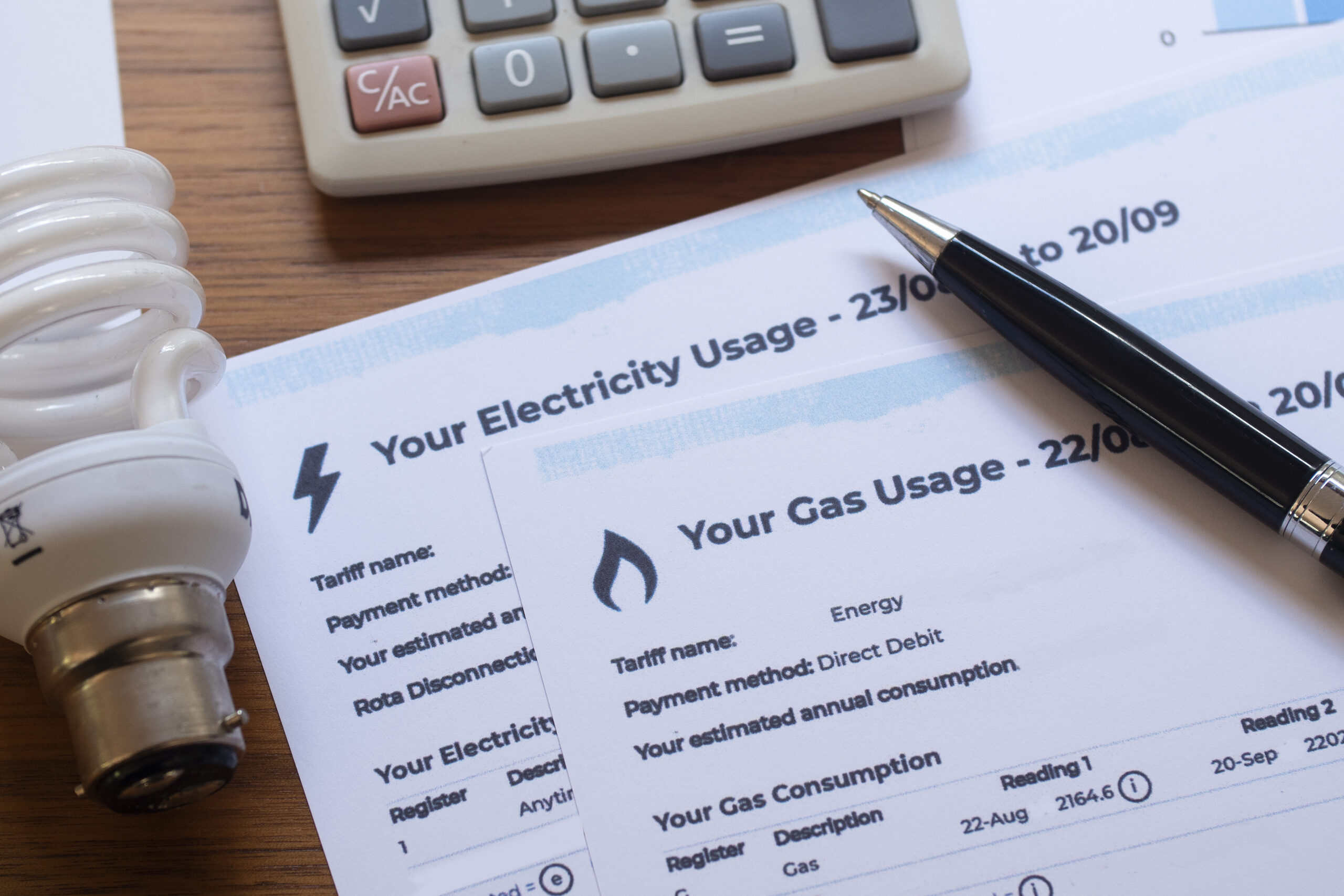
The Case Against the Energy Price Cap
Although introduced with the best intentions, the Energy Price Cap (EPC) has gone far beyond its intended purpose and is actively harming competition The EPC was originally brought in as a time-limited intervention to protect a specific group of customers from price-gouging The recent energy crisis has meant it now functions not as a price… View Article

Family-Friendly Taxation
A new report from the Centre for Policy Studies and Conservative Growth Group warns that the British tax system is increasingly unfair towards families Couples with the same overall income can end up paying dramatically different amounts of tax depending on how earnings are divided between them. A couple earning £60,000 with two children will… View Article

A Pane in the Neck: How to improve building regulations
Building is a troublesome business, and for as long as we have had urban life, we have had restrictions on what and how people can build. The oldest extant British regulation dates from 1189, but building restrictions undoubtedly existed a millennium earlier under the Roman Empire. Unlike the planning system, which dates only to the… View Article

Retail Therapy
Britons like to save – but too many of us are saving in cash, despite the more attractive returns which might be available through investing in shares There is £1.8 trillion of cash in savings accounts – roughly equivalent to the entire market capitalisation of the FTSE 100 – and approximately £300m in National Savings… View Article

Passing the Test
The growth of academies and multi-academy trusts has changed the face of English schools for the better From only 203 in May 2010, academies now make up more than 10,000 of the country’s 22,000 state schools The growth in ‘multi-academy trusts’ (MATs) has allowed leaders to push up quality and standards for children across multiple… View Article

The Unregulated Regulator
The Digital Markets, Competition and Consumers (DMCC) Bill, currently progressing through the House of Commons, would give the Competition and Markets Authority (CMA) new, extensive and unchecked powers to reshape digital markets and regulate outcomes across the economy As currently drafted, the Bill undermines parliamentary sovereignty and removes democratic accountability by handing such expansive ‘quasi-legislative’… View Article

The Language of Freedom
We are all obsessed with which party is getting what share of the vote- both now and the next UK polling day – but what are the fundamental values driving British public opinion? In a major new survey Dr Frank Luntz, the world’s leading expert on political language and communication, has worked with the Centre… View Article

Opportunities for Special Development Orders
Special development orders (SDOs) grant permission for specified kinds of development in a given area. The Government can designate an SDO without fresh legislation. Though used successfully in the Cardiff Bay area in the 1990s, they remain in relative obscurity. However, the powers to designate them have not lapsed. SDOs could never be a normal… View Article

The Future of Driving
In 2021/22, drivers paid £33bn in fuel duty and vehicle excise duty. But the Government spent only £5.4bn on national roads and £6.4bn on local roads in the same period. This system is not fair for drivers or the general public, who suffer the consequences of polluting vehicles through negative health outcomes. ‘The Future of… View Article

Drop the Crops
Every time a motorist refuels their vehicle, they are paying for the UK’s biofuels mandate, the Renewable Transport Fuel Obligation (RTFO). This is buried in the per litre cost at the pump, so public awareness is low, but 6% of the total fuel bill in fact pays for biofuels blended into petrol and diesel. While… View Article

Investing for Prosperity
Reforms made to British International Investment (BII), the UK’s development finance institution, have made it one of the great success stories of British policy-making in the last decade. BII has created a million jobs and generated tens of billions of pounds in economic activity in some of the poorest countries of the world in the… View Article

Where are the Workers?
Economic inactivity has become a huge issue in politics – and is expected to be a key area of focus in this week’s Budget. But many of the most common claims about inactivity turn out to be mistaken, or capture only part of a more complex picture. ‘Where are the Workers? A new diagnosis of… View Article


