


The Centre for Policy Studies has published a comprehensive breakdown of eight key factors driving up Britain’s infrastructure costs, alongside 40 recommendations of how to drive them back down.
Britain’s infrastructure cost problem is not simply about how much the country invests, but rather how little infrastructure it receives for that investment..
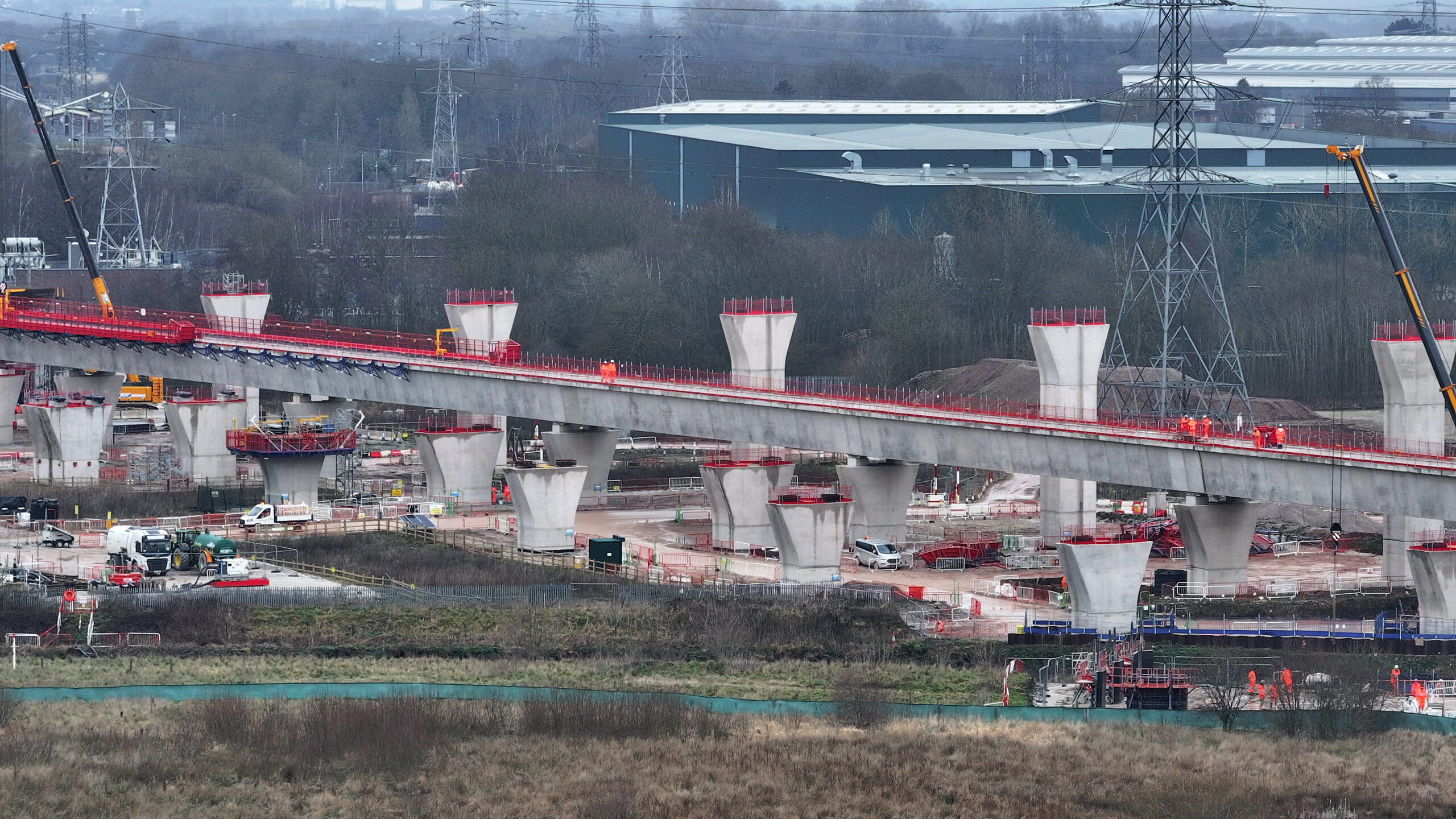
HS2 exemplifies this crisis. The most recent estimate of £102.7 billion for just 140 miles of track makes it by far the world’s most expensive high-speed railway. The entire Spanish high-speed rail network – approximately 2,500 miles – was built for around £75 billion in 2025 prices, making Spanish per-mile costs roughly £28 million. HS2 costs over 25 times more per mile.
The same pattern of elevated costs recurs across every kind of infrastructure. The Jubilee and Northern line extensions cost twice the per-mile average of France or Italy and six times that of Spain. The Bakerloo line extension, budgeted at £10.9 billion for 4.7 miles, would be the most expensive subway line ever built per mile outside of New York City. British tram projects cost more than double the European average, whilst Heathrow’s third runway at £21 billion will cost 10 to 70 times more than runway additions elsewhere.
The report identifies eight interconnected factors which raise Britain’s infrastructure costs unreasonably high:
- A planning process that has grown longer and more expensive, with average decision timings rising from 2.6 years in 2012 to 4.2 years in 2021
- Environmental impact assessments have grown from under 400 pages for the Jubilee Line Extension in the 1990s to nearly 18,000 pages for a 3.3 mile railway line to Portishead
- Judicial review is encouraged because of an international treaty, the Aarhus Convention, and is increasing, with legal challenges rising from around one per year between 2008 and 2018 to four per year between 2019 and 2024, with National Highways estimating that a single challenge can add more than £120 million to project costs
- Responsibility for funding projects sits with the Treasury – carrying significant political risk – but with limited ability to control costs once money is committed
- Procurement focuses excessively on lowest cost and social value rather than value for money
- Regulations are set by quangos and arms-length bodies with no stake in cost outcomes
- A civil service without sufficient in-house technical expertise to effectively manage projects. The report highlights findings which show the Department for Transport – where many major infrastructure projects sit – has the second highest staff turnover of any Whitehall department
- The centralisation of decision-making, meaning mayors and local authorities lack the power and incentive to deliver the infrastructure their communities need
The report sets out a comprehensive programme of reform, including amendments to streamline the planning process and make Development Consent Orders a genuine one-stop shop; rebalancing environmental regulations to focus on positive outcomes rather than defensive paperwork; raising cost caps for unsuccessful judicial review claimants; devolving funding and approval powers to metro mayors; reforming procurement to reward value for money and past performance; challenging unnecessary standards; rebuilding in-house engineering capacity within the civil service; and devolving Transport and Works Act Order approvals to elected regional mayors.

Ben Hopkinson is the Head of Housing and Infrastructure at the Centre for Policy Studies. He was previously the Head of Research at Britain Remade, a pro-economic growth campaign group, and a Senior Risk Consultant at PwC. He holds an MSc in International Relations from the London School of Economics and a BA in Philosophy,... View Article


