


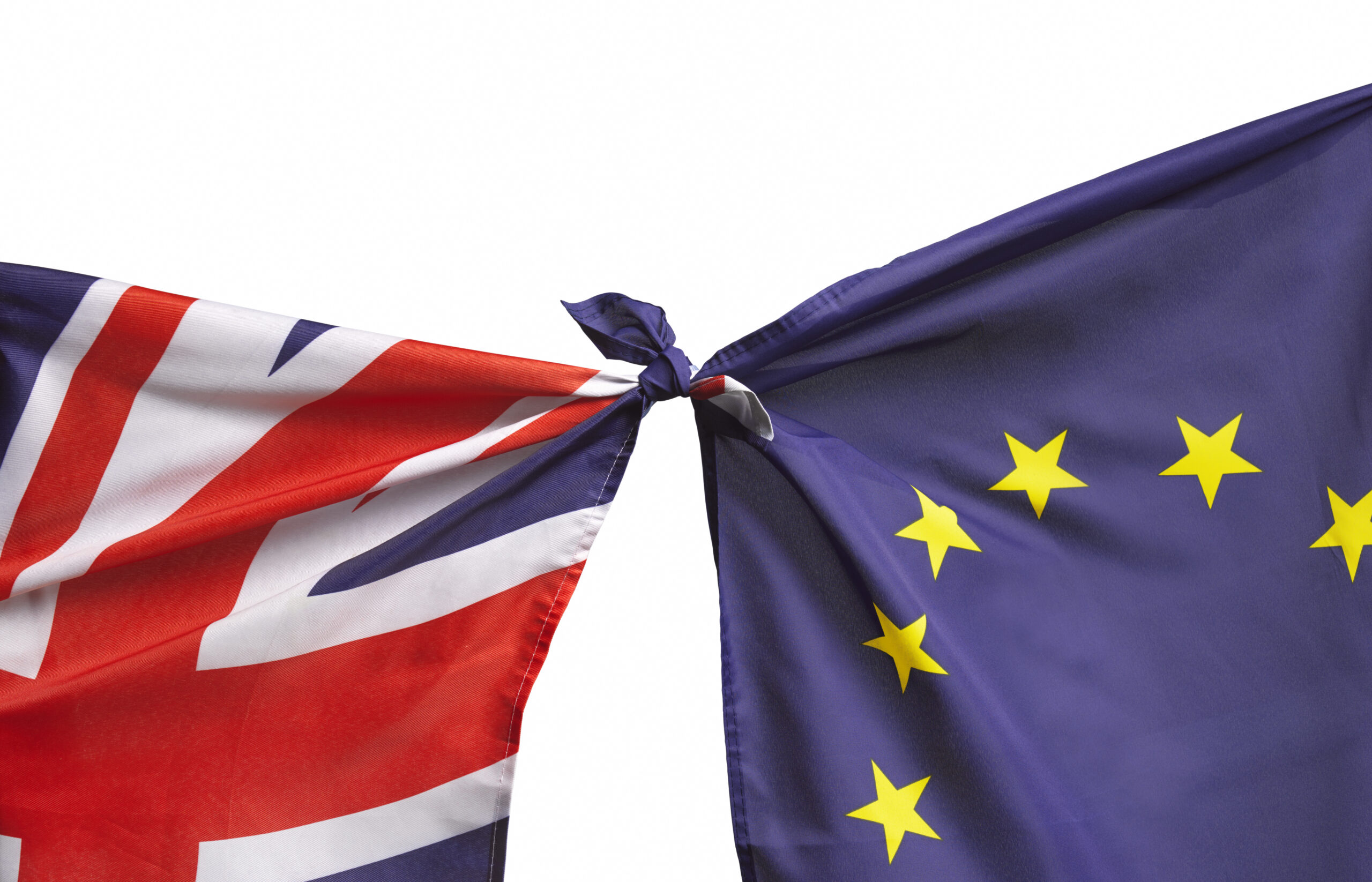
- Labour politicians have repeatedly raised the prospect of Britain moving closer to the EU, either through a reset in relations that sees the UK becoming more of a rule-taker or by rejoining either the Single Market, the Customs Union or even the EU itself
- A new report from the Centre for Policy Studies argues that an EU reset risks becoming at best a substitute for a credible growth strategy, and at worst an obstacle to delivering one
- Leading economist Dr Gerard Lyons sets out how our economy has kept track of or outpaced our European neighbours since Brexit
- Lyons argues that the issues that are holding back our growth are unrelated to the decision to leave the EU, and that politicians must focus on implementing domestic policy reforms in Westminster
Labour’s plans for a reset with the European Union are no substitute for a credible growth strategy and could be an obstacle to delivering one, according to a leading economist.
Dr Gerard Lyons, Research Fellow at the Centre for Policy Studies, has published a follow-up to his 2024 briefing paper outlining why leaving the EU has not been the cause of Britain’s growth problems, and why closer relations of the some kind Labour MPs and activists are calling for will not solve them.
The latest briefing highlights key economic indicators which show how our economy has kept track with, or in some cases outperformed our European counterparts since we left the EU.
For example, the UK economy has grown by 12.1% since the 2016 referendum and by 5.3% since we left the EU, outpacing average growth across all three of our European G7 competitors (France, Germany and Italy). While GDP per capita is much weaker – up 5.6% since 2016 and 0.8% since 2019 – that is largely because of our inability to execute pro-growth policies and has not been helped by record-breaking net migration figures, both of which are within the control of politicians in Westminster, not Brussels.
The report also argues that renewed closeness with the EU would be saddling Britain to a slow growth region. Although it is still important, the EU’s share of the global economy is declining, from over a quarter 30 years ago to 18% in 2025, and will continue to do so over the coming years. One of the many trade-offs involved in a closer relationship with the EU would be to limit our ability to strike new trade deals with countries in the fastest-growing regions of the world.

Gerard Lyons is a highly respected economist and Research Fellow at the Centre for Policy Studies.


